
The Problem
When an older computer system was retired, the work of tracking high-value fund transfers moved to a new system (Platform B). At first, only the senior workers knew how to pull these reports, which took them away from their most important work. The business needed to teach the junior workers how to take over this job. The goal was for junior workers to search for the right data and send correct reports to clients within 24 to 48 hours.
Design Challenges
- No Safe Practice Area: Workers could not practice in the real computer system because it contained real financial data. Building a fake practice system from scratch would take too much time and money.
- Easy to Forget: Workers do not pull these reports every single day. Because it is rare, they might forget the steps by the time they need to do it again.
- Very Little Time: The workers have very busy schedules. They did not have hours to spend sitting in a training class.
The Solution
To respect the workers' busy schedules and the company's budget, I designed a short, 15-minute interactive lesson using a program called Articulate Storyline. Instead of building a simulator, I used realistic work situations and asked the learners to make choices based on everyday problems. The lesson let them practice making decisions, learn from their mistakes right away, and see the correct steps. Best of all, it worked as both their main training and a quick help guide they could open up on the job whenever they forgot a step.
How I Built It
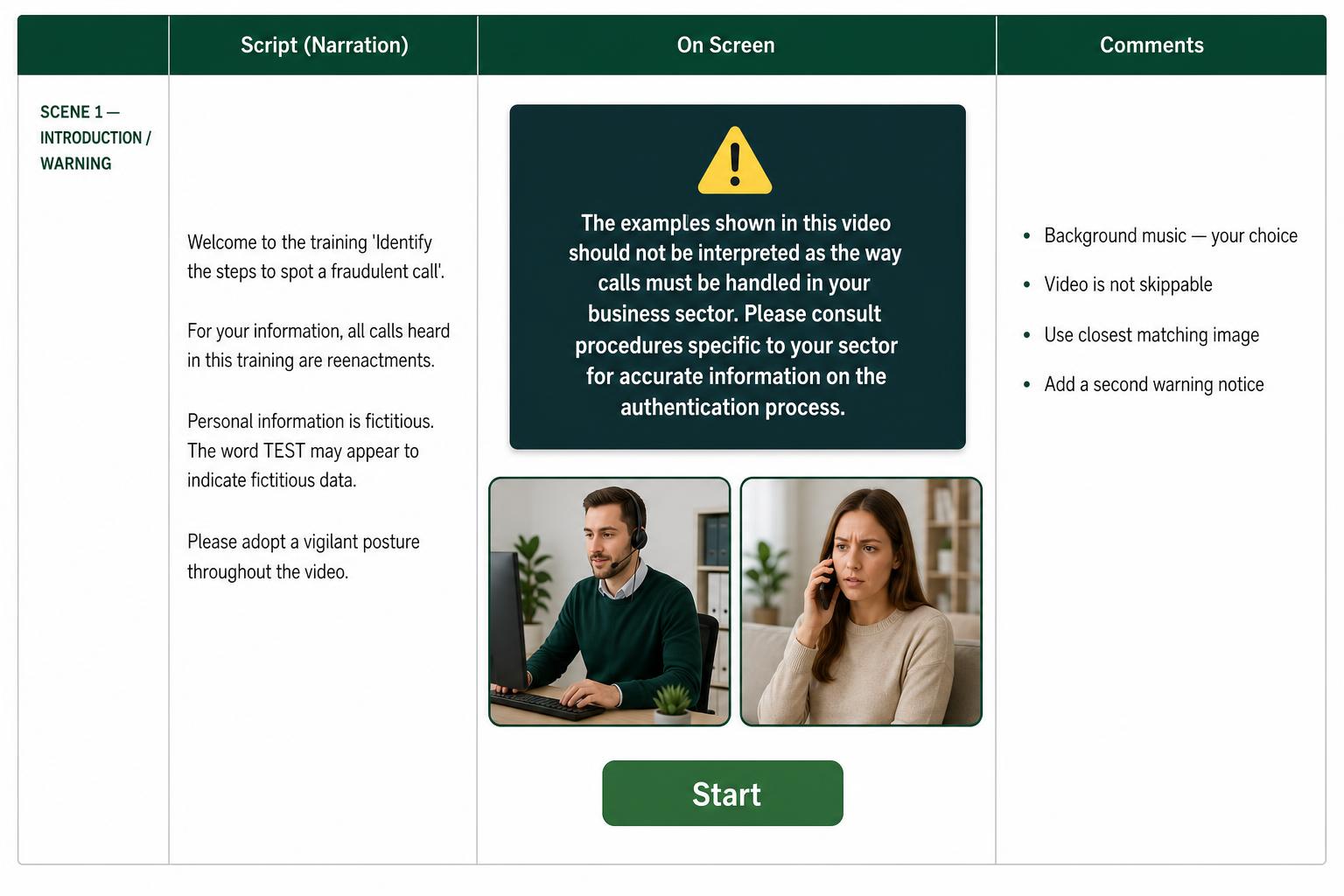
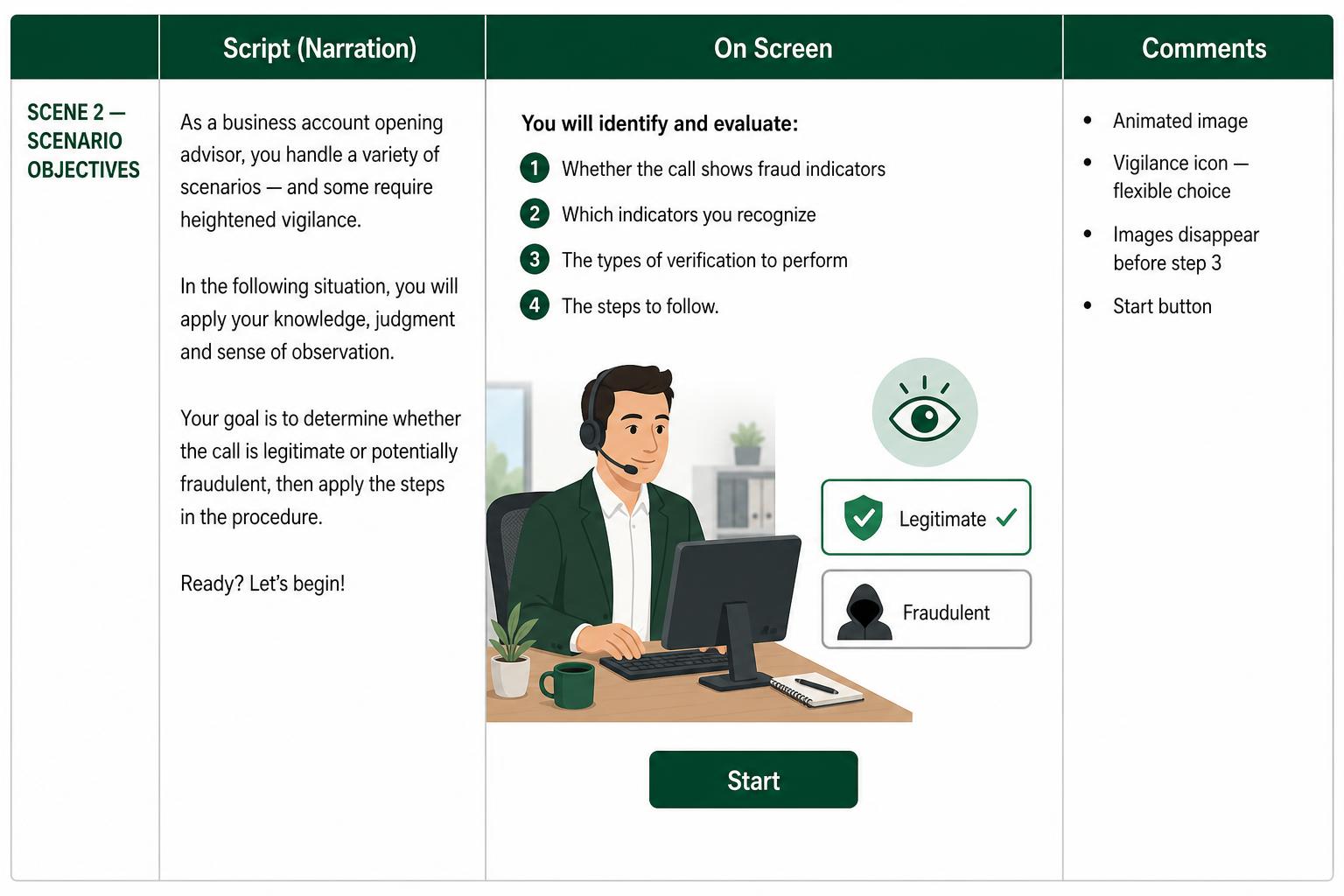
I began by looking closely at what the workers needed to learn and where they were struggling. By talking to experts and reading the current rules, I made sure I understood the project from the start. Using a human-centered design approach helped me understand the workers' daily lives. This helped me come up with better ideas for the training. I also used AI to double-check my work. This made sure the main goals of the training were correct and matched what the business wanted. For the final lesson, I didn't just give them a presentation to read. I realized that to feel confident, workers needed to actually practice making choices as if they were using the real software. I organized the training to start with simple ideas and move to harder ones. I followed a clear plan: I studied the problem, planned the steps, drew out what the screens would look like for managers to see, built the lesson, and finally checked if it really helped the team work better.
Design Thinking
I built this lesson with a focus on how the learners feel and interact. By sparking curiosity, I encouraged them to keep going, which helped them work together and understand the material better. Getting immediate feedback gave them confidence, while using realistic work situations made it easier to use what they learned on the job. The training was fun but still focused on the main goals, making sure that being engaged actually helped them learn.
Results & Impact
The training integrated seamlessly into daily workflows without causing disruptions. Workday LMS surveys confirmed high learner engagement and satisfaction (Kirkpatrick level 1 and level 2). Consequently, junior workers report increased confidence, consistently meeting deadlines and ensuring report accuracy. Future evaluations will assess behavioral changes (Level 3) and organizational impact (Level 4) to quantify long-term value.
Outcome — Lorena
This project demonstrates my ability to turn a complex, high-stakes business process into a short, practical learning experience. By combining human-centered design, AI-assisted validation, and scenario-based practice in Articulate Storyline, I created training that junior workers can trust and use on the job.
Outcome — Company
Junior workers can now retrieve reports independently, reducing the workload on senior staff and helping the team meet its 24–48 hour client-response target. The module also serves as an ongoing job aid, cutting repeat questions and support escalations.